
Spring is the season when everything wakes up, buds swell, perennials return, and shrubs begin pushing out fresh growth. It’s also the time when many homeowners in and around the Greenacres area call Greenleaf Landscaping Inc. for all their pruning services. But not every plant should be trimmed in early spring, and cutting the wrong one at the wrong time can mean losing blooms, stressing the plant, or slowing its growth.
To help you make the right cuts, here’s a clear breakdown of what to prune and what to leave alone this spring, inspired by Greenleaf Landscaping Inc.
🌿 Spring Pruning Do’s: Plants You Should Cut Back
These plants benefit from a good spring cleanup. Cutting them back encourages fresh, healthy growth and helps them maintain shape and vigor throughout the season.
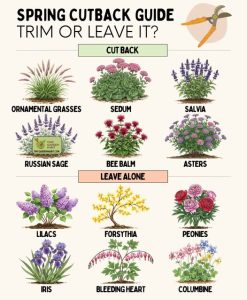
Ornamental Grasses – Cut back to a few inches above the ground. This removes old, dried blades and allows new green shoots to emerge cleanly.
Sedum – Trim away last year’s dried flower stalks and stems. New growth forms at the base and will quickly fill in.
Salvia – Cut back old stems to encourage a flush of new foliage and more abundant blooms later in the season.
Russian Sage – Prune down to about 6–12 inches. This keeps the plant compact and prevents it from becoming woody and floppy.
Bee Balm (Monarda) – Remove old stems to reduce mildew issues and promote strong, upright new growth.
Asters – Cut back dead stems to make room for fresh shoots. This helps maintain a tidy shape and encourages full blooming.
🌸 Spring Pruning Don’ts: Plants You Should Leave Alone
These plants bloom on old wood or have growth habits that make spring pruning risky. Cutting them now may remove flower buds or weaken the plant.
Lilacs – Pruning in spring removes the buds that formed last year. Wait until right after they bloom.
Forsythia – Like lilacs, forsythia blooms on old wood. Prune only after flowering if shaping is needed.
Peonies – Do not cut back in spring. Peonies rely on their stored energy and need their stems intact. Only remove dead foliage in fall.
Iris – Spring pruning can interfere with blooming. Clean up only dead or damaged leaves; major trimming should wait until fall.
Bleeding Heart – These early bloomers should be left alone. They naturally die back in summertime only after the foliage yellows.
Columbine-Avoid Spring pruning. Let them bloom first, then deadhead or trim back after flowering to encourage a second flush.
🌱 Why Timing Matters
Pruning isn’t just about appearance, it affects how plants grow, bloom, and stay healthy. Cutting back at the right time can:
- Encourage stronger, fuller growth
- Improve air circulation
- Reduce disease
- Increase flowering
- Keep plants tidy and well‑shaped
But pruning at the wrong time can:
- Remove flower buds
- Stress the plant
- Reduce blooming
- Slow growth
- Invite disease or pests
Understanding your plant’s growth cycle is the key to pruning with confidence.
🌼 A Simple Rule of Thumb
If it blooms in spring, don’t prune it in spring. If it blooms in Summer or Fall, Spring pruning is usually safe.
This quick guideline helps prevent accidental removal of flower buds and keeps your landscape looking its best.
🌳 Spring pruning services don’t have to be complicated. With a little knowledge and a clear list of what to cut and what to leave you can set your landscape up for a season of healthy growth and beautiful blooms. For any hep or questions please call Greenleaf Landscaping, Inc. @ (509) 536-2885 today!