
Few things are more frustrating for homeowners than seeing unsightly brown patches ruin a lush green lawn. These blemishes often signal underlying issues such as fungal diseases, pests, or improper lawn care practices. The good news? With the right knowledge and proactive steps, you can restore your lawn’s health and prevent future problems.
In this blog, we’ll explore common lawn diseases, their causes, and practical solutions to keep your yard vibrant year-round.
Why Do Brown Patches Appear?
Brown patches can result from several factors, including:
- Fungal infections like Brown Patch or Dollar Spot
- Pest damage from grubs or chinch bugs
- Environmental stress such as drought or poor drainage
- Overfertilization or pet urine burns – Identifying the root cause is the first step toward effective treatment.
Common Lawn Diseases and How to Fix Them
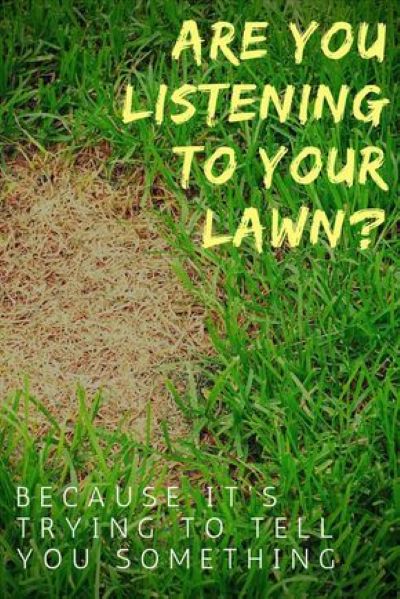
- Brown Patch Disease
- Symptoms: Circular brown spots, often several feet wide, with a smoky ring on the edges.
- Causes: Hot, humid weather combined with overwatering or excessive nitrogen fertilizer.
- Solutions:
- Water early in the morning to allow grass to dry during the day.
- Avoid evening watering and overfertilization.
- Apply a fungicide like Patch Pro if the disease persists.
- Dollar Spot
- Symptoms: Small, silver-dollar-sized patches that merge into larger areas.
- Causes: Low nitrogen levels and humid conditions.
- Solutions:
- Fertilize with nitrogen to strengthen turf.
- Water deeply but infrequently in the morning.
- Rust
- Symptoms: Grass blades coated with orange or rust-colored powder.
- Causes: Cool, moist conditions and undernourished lawns.
- Solutions:
- Mow regularly and remove infected clippings.
- Apply balanced fertilizer and water deeply once a week.
- Snow Mold
- Symptoms: Gray or pink patches after snow melts.
- Causes: Prolonged snow cover and poor fall cleanup.
- Solutions:
- Rake leaves and debris before winter.
- Mow shorter before the first frost.
Other Causes of Brown Patches
Not all brown spots are disease related. Here are other culprits:
- Grubs: Damage roots, making turf easy to pull up. Treat with insecticides in spring.
- Pet Urine: High nitrogen burns grass. Flush with water and reseed if necessary.
- Compacted Soil: Aerate annually to improve drainage and airflow.
Prevention Tips for a Healthy Lawn
Preventing lawn diseases is easier than curing them. Follow these best practices:
- Water Smart: Deep, infrequent watering in the morning prevents fungal growth.
- Fertilize Wisely: Use slow-release nitrogen and avoid overfeeding.
- Mow Correctly: Keep blades sharp and avoid cutting more than one-third of grass height.
- Aerate & Dethatch: Improves soil health and reduces moisture buildup.
- Choose Resistant Grass Varieties: Select turf suited to your climate for better disease resistance. [livetoplant.com], [greenleafwa.com]
When to Call a Professional
If brown patches persist despite your efforts, it may be time to consult a lawn care expert. Professional lawn care services can diagnose complex issues and apply targeted treatments, saving you time and money in the long run.
Brown patches don’t have to spell disaster for your lawn. By understanding common diseases, practicing preventive care, and acting quickly when problems arise, you can maintain a lush, healthy yard that’s the envy of the neighborhood.
Ready to restore your lawn? Contact Greenleaf Landscaping today for expert lawn care services in Post Falls and the surrounding areas!